
The Complete Beginner's Guide to Padel in Marbella
Everything you need to know to start playing padel in Marbella — from the rules and scoring to finding the right club and booking your first court.
What Is Padel and Why Is Everyone Playing It?
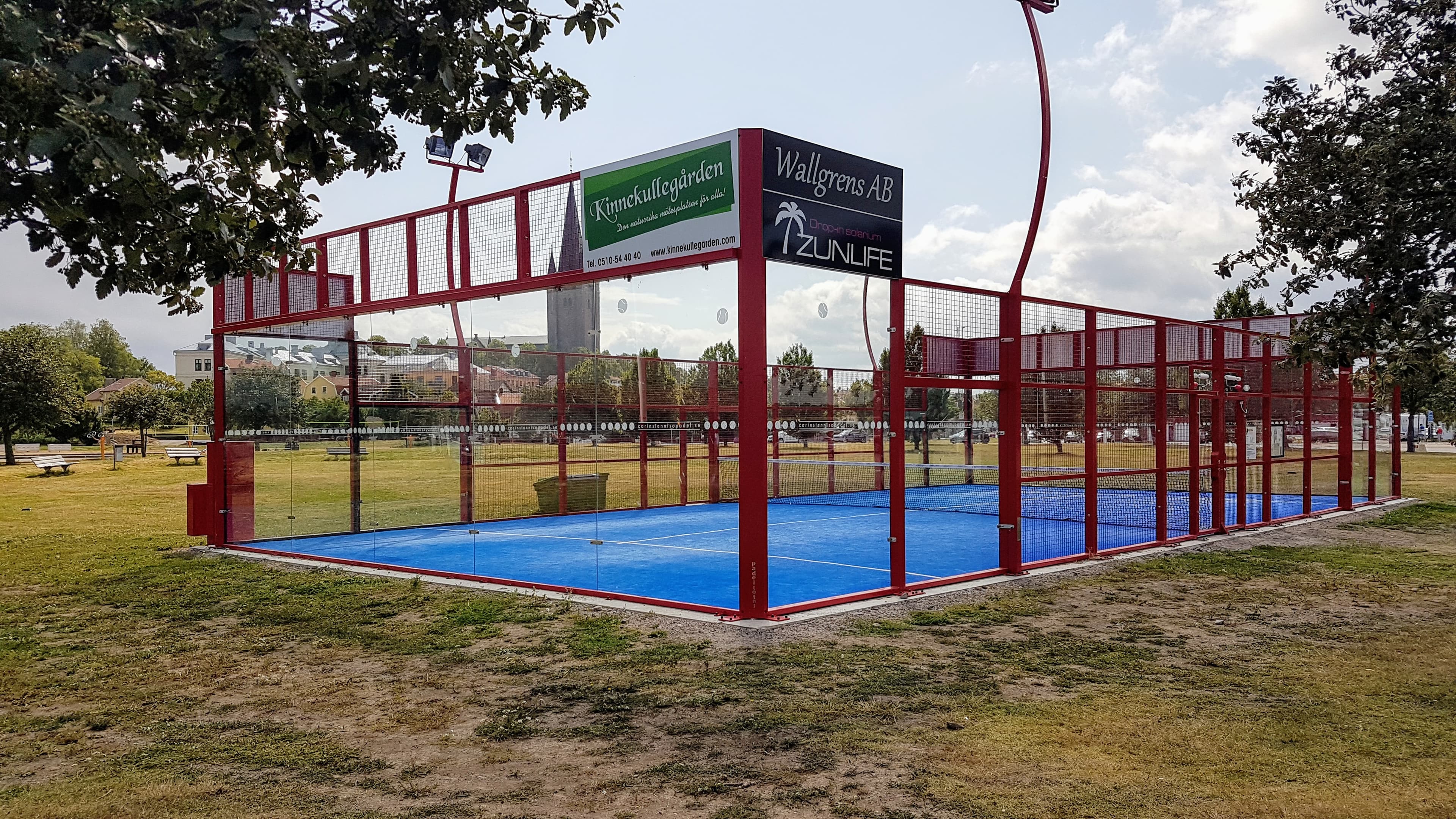
Padel is one of the world's fastest-growing racket sports, and nowhere is that growth more visible than in Marbella. A hybrid of tennis and squash played on an enclosed glass-and-mesh court roughly a third the size of a tennis court, padel is deceptively easy to pick up but endlessly rewarding to master. The sport is played in doubles, and the use of the back walls dramatically extends rallies — making it much more accessible for beginners than traditional tennis.
Marbella's year-round sunshine and thriving international community have turned the Costa del Sol into one of Europe's padel capitals. With over 50 clubs within a short drive of the town centre, you'll have no trouble finding a court at any time of day. The social culture around padel — post-match drinks at the club bar, weekend social ladders, beginner mixers — makes it one of the easiest ways to meet people when you first arrive in the area.
Understanding the Rules and Scoring
Padel uses the same scoring system as tennis — 15, 30, 40, game — and matches are typically played as best of three sets. The key differences are the walls: after the ball bounces once on your side, it can rebound off the glass or wire mesh and still be played legally. This keeps rallies alive and rewards creative shot-making over raw power.
Key Rules for Beginners
- Serve underhand or at waist height, diagonally into the service box
- The ball may only bounce once on the ground before you must hit it
- After the bounce, you may use the glass walls — a ball that rebounds off the back glass is still in play
- The ball must bounce on the ground before hitting the back wall after a service return
- Volleys (hitting the ball before it bounces) are allowed anywhere in the court
- If the ball exits through one of the small doors in the side mesh, the point continues — you may go outside the court to retrieve it
The most common beginner mistake is letting balls hit the back glass go without playing them, believing they are out. They are almost never out — get used to chasing every ball to the back wall.

The Court and Equipment
The Court
A padel court measures 20 metres long by 10 metres wide — roughly a third the size of a tennis court. It is enclosed by glass walls (3 metres high at the back, 4 metres at the sides) and wire mesh above the glass. The net is 88cm high at the centre. The service boxes are marked on the surface. Most courts in Marbella are outdoor panoramic courts — meaning all four walls are glass. A small number of clubs also have indoor courts for rain or extreme heat.
What Equipment Do You Need?
To play padel you need a padel racket (shorter and solid compared to a tennis racket), padel balls (slightly less pressurised than tennis balls), and padel shoes with herringbone-patterned soles for the artificial grass surface. Most clubs in Marbella offer racket and ball hire for around €3–5, so you don't need to invest upfront for your first few sessions.
When you are ready to buy your own racket, start with a round-shaped model with a fibreglass face and soft foam core. These are the most forgiving for beginners and will suit you well for your first six to twelve months of play. See our complete padel racket guide for detailed recommendations at every price point.
Booking Your First Court in Marbella
The easiest way to book a court in Marbella is through the Playtomic app, which most clubs use for their online reservation system. Simply download the app, search for clubs near you, and choose a free slot. Many clubs also accept walk-in bookings, especially during weekday off-peak hours. Expect to pay between €10 and €40 per court per hour depending on the club, time of day, and whether the court is indoor or outdoor. For a detailed overview of what each club offers, see our guide to the best padel clubs in Marbella.
NAC Nueva Alcantara is particularly beginner-friendly — they allow walk-in bookings via their Taykus system (nac.taykus.com) without requiring membership, and their M3 Padel Academy runs group beginner clinics from just €35 per person for a 90-minute session. It is the most accessible way to get started with professional instruction in the area.
Your First Session: What to Expect
Arrive 10–15 minutes early to collect hired equipment if needed and to warm up. Most clubs require you to check in at reception — bring your booking confirmation and be ready to pay if you haven't paid online.
For your first session, try the following structure: spend the first 10 minutes just rallying from the back of the court, getting used to the glass rebounds. Move to the net area for the next 10 minutes and practise simple volley exchanges. Then play a modified game: one set, no serve pressure (drop-feed the first ball), focusing on keeping the rally going rather than winning points.
You will hit the glass by mistake with your racket at some point. Everyone does. It doesn't feel great, but it won't break anything unless you're swinging hard into a confined space. The single most useful adjustment for absolute beginners is to take a step further back than feels natural — the court is smaller than it looks and most beginners crowd the ball.
Beginner Clinics in Marbella
If you want to fast-track your learning, a group clinic with a qualified coach is far more effective than unsupervised play. Group clinics are typically 4–6 players with one coach, lasting 90 minutes, and covering the fundamentals: serve, basic volley technique, positioning, and wall play. You'll also meet other beginners at a similar level, which often leads to future social games.
Clubs running regular beginner clinics include NAC (M3 Padel Academy, from €35/person), Real Club Padel Marbella, and Manolo Santana Racquets Club. All three have multilingual coaches — English, Spanish, and several northern European languages are covered.

Finding a Partner and Social Play
One of the first challenges for new players is finding people to play with. Marbella's padel community is large and genuinely welcoming. The most effective routes to finding games:
- Playtomic's "open match" feature — post an open slot and Playtomic will match you with players of similar level nearby
- Social ladder evenings — most clubs run a weekly mixed social ladder where you play short sets against multiple different partners; a great way to meet people
- WhatsApp groups — ask at reception if the club has a WhatsApp group for members looking for games; most clubs do
- Beginner clinics — the fastest way to meet others at exactly your level
Tips for Your First Game
Don't be intimidated — padel is genuinely one of the most beginner-friendly racket sports. Focus on consistency rather than power, stay close to the net in the attack position, and communicate with your partner. Most importantly, enjoy the social aspect: padel culture in Marbella is famously welcoming, and you'll likely find yourself sharing a drink with your opponents at the club bar after the match.
Once you have a few sessions under your belt, read our 10 tips to improve your padel game for the tactical and technical pointers that will take your play to the next level.
Own a padel club in Marbella?
Get featured on the #1 Marbella padel guide. Reach thousands of players searching for courts every month.
List your club →